Navigating the world of genealogy can feel like stepping into a time machine. With tools like the FamilySearch Beta site, uncovering your family history becomes an exciting adventure. Whether you’re a budding novelist looking for inspiration, a content marketer seeking engaging stories, or a graduate student exploring your ancestry, the FamilySearch Beta site is a treasure trove waiting to be discovered. Let’s dive into some handy tips to make the most of this platform. What do you need to consider about بهترین سایت شرط بندی.
Before we get into the nitty-gritty, let’s clarify what FamilySearch Beta is all about. It’s essentially the testing ground for FamilySearch, where new features and updates are rolled out for users to try before they go live on the main site. Think of it as a sneak peek into the future of genealogical research!
Understanding the Purpose
FamilySearch Beta serves as a sandbox for innovative ideas and experimental features. This approach allows developers to gather user feedback and make necessary adjustments before implementing changes on the main site. This iterative process ensures that the final product is both user-friendly and efficient.
The Evolution of Genealogical Research
With the FamilySearch Beta, users witness firsthand the rapid evolution of genealogical tools and methodologies. This platform not only enhances your research capabilities but also keeps you abreast of the latest trends in the field. As new technologies emerge, you can be among the first to test and utilize them.
An Exclusive Community
Joining FamilySearch Beta is akin to becoming part of an elite group of genealogy enthusiasts. You gain access to cutting-edge tools and have the opportunity to influence future developments. Your contributions help shape the platform’s trajectory, making it more tailored to user needs.
Getting Started with FamilySearch Beta
First things first, if you don’t have an account, you’ll need to create one. It’s free and gives you access to a world of historical records. Follow these simple steps to get started:
Creating Your Account
- Sign Up: Navigate to https://beta.familysearch.org and click on “Create Account.”
- Fill in Your Details: Enter your basic information, such as name and email address. Ensure your details are accurate to facilitate communication and account recovery.
- Verify Your Email: Check your inbox for a verification email. Click the link provided to activate your account and gain access to the platform.
Exploring the Dashboard
Once you’re logged in, take a moment to familiarize yourself with the dashboard. The interface is designed to be intuitive, with easy access to all major features. Spend time exploring different sections to understand how each component can aid your research.
Customizing Your Experience
Personalize your FamilySearch Beta experience by adjusting settings to suit your preferences. You can customize notifications, privacy settings, and even the appearance of your dashboard. This customization ensures a tailored research experience that aligns with your needs.
Navigating the Interface
The FamilySearch Beta site has a user-friendly interface designed to make your research process as smooth as possible. Here’s how you can find your way around:
Exploring the Homepage
The homepage serves as your gateway to a plethora of resources. Here, you can initiate searches, view your family tree, and access the latest updates and announcements. Familiarize yourself with the layout to efficiently navigate the site.
Utilizing the Search Records Feature
The “Search Records” section is your portal to millions of historical documents. The robust search engine allows you to filter results by various criteria, such as location, date, and record type. This feature is crucial for honing in on the most relevant documents for your research.
Managing Your Family Tree
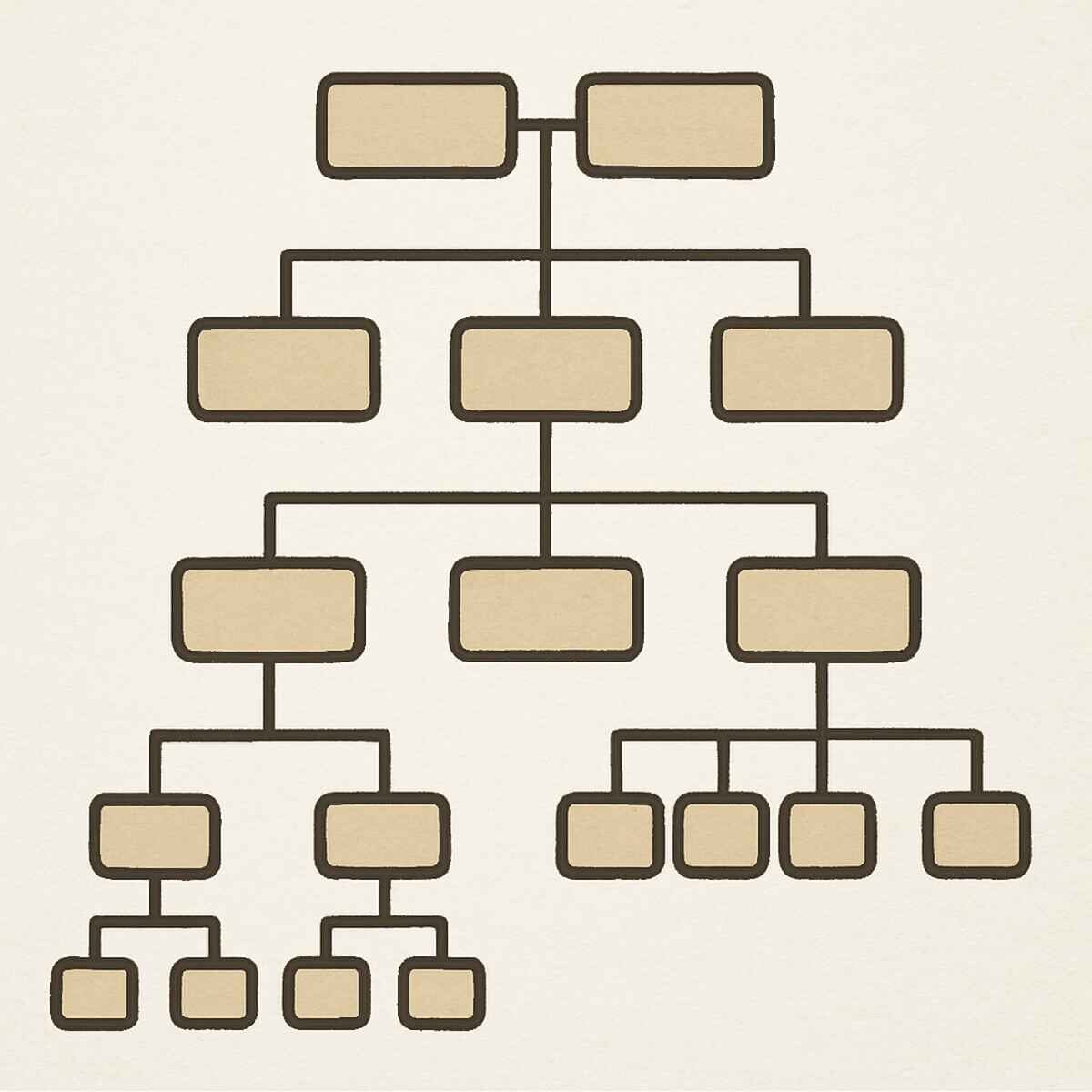
The “Family Tree” feature offers a visual representation of your familial connections. You can add or edit information, explore potential relatives, and even discover new branches of your family. This dynamic tool is essential for mapping out your genealogy comprehensively.
Tips for Effective Research
Researching your family history can be both thrilling and challenging. Here are some tips to help you make the most of the FamilySearch Beta site:
Start with What You Know
Begin your genealogical journey by recording everything you know about your family. Start with immediate family members and work your way back. This will give you a solid foundation for your research.
Conduct Thorough Interviews
Engage with family members to gather oral histories and personal anecdotes. These narratives often contain invaluable information that may not be available in written records. Document these stories carefully to enrich your family history.
Organize Your Findings
As you collect data, maintain a well-organized system for storing information. Use digital tools or physical files to categorize records, notes, and documents. An organized approach will streamline your research process and prevent data loss.
Use Advanced Search Filters
The search functionality on FamilySearch Beta is powerful. Use advanced filters to narrow down your search results. You can filter by:
- Location: Specify the region or country to find records relevant to your family.
- Date Range: Narrow your search to a particular time period.
- Record Type: Choose from birth, marriage, death records, and more.
Leveraging Geographic Tools
Make use of the geographic filters to pinpoint records from specific regions. This feature is particularly useful when tracing ancestors who migrated or lived in multiple locations. By narrowing down locations, you can uncover regional records that may hold vital information.
Refining Date Searches
Use date filters to target specific historical periods relevant to your family history. This method is effective when tracing events such as migrations, wars, or societal changes that may have influenced your ancestors’ lives. Accurate date filtering enhances the precision of your search results.
Verify Your Sources
One of the most important aspects of genealogical research is verifying your sources. Cross-reference information from multiple records to ensure accuracy. Remember, not every document may be correct, so it’s crucial to double-check facts.
Cross-Referencing Data
Compare information across various documents to identify discrepancies or confirm details. Cross-referencing is essential for constructing a reliable family history and avoiding potential errors. This practice also helps in uncovering additional leads for further research.
Consulting Experts
When in doubt, seek assistance from genealogical experts or community forums. Experienced researchers can provide guidance on complex issues and offer insights into best practices. Engaging with experts enhances your research accuracy and broadens your knowledge base.
Staying Updated with FamilySearch Beta
As the FamilySearch Beta site is constantly evolving, staying updated is key to making the most of its features. Here are some ways to keep in the loop:
Join the Community
FamilySearch has a vibrant community of genealogy enthusiasts. Join forums and discussion groups to share tips, get advice, and stay updated on new features and updates.
Participating in Webinars
Attend webinars hosted by FamilySearch or other genealogical organizations. These sessions cover a range of topics, from using new tools to advanced research techniques. Webinars provide valuable learning opportunities and keep you informed about the latest developments.
Engaging on Social Media
Follow FamilySearch on social media platforms to receive real-time updates and announcements. Social media channels often share success stories, user tips, and upcoming events, keeping you connected to the genealogy community.
Provide Feedback
Since the Beta site is a testing ground, your feedback is invaluable. If you encounter any issues or have suggestions for improvement, use the feedback feature to let the developers know.
Reporting Bugs and Issues
Actively report any technical glitches or challenges you face while using the site. Your feedback helps developers identify and rectify issues promptly, improving the overall user experience.
Suggesting Enhancements
Share your ideas for new features or enhancements. User suggestions are instrumental in shaping the platform’s future and ensuring it meets the diverse needs of its community.
Expanding Your Research
Once you’re comfortable using FamilySearch Beta, you can expand your research to include other resources. Collaborate with family members, explore local archives, and consider using DNA testing services to gain a deeper understanding of your ancestry.
Collaborating with Relatives
Work with family members to gather information and verify findings. Collective efforts often yield more comprehensive results and uncover stories that may have been forgotten over time. Collaboration strengthens familial bonds and enriches your research.
Exploring Local Archives
Visit local libraries, archives, and historical societies to access records not available online. These institutions often house unique documents, such as land deeds, newspapers, and personal letters, that can provide additional context to your family history.
Utilizing DNA Testing
Consider using DNA testing services to complement your genealogical research. DNA results can reveal genetic connections and ancestral origins, offering new avenues for exploration. Combine genetic data with traditional research for a holistic understanding of your ancestry.
Conclusion
Using the FamilySearch Beta site can be an exhilarating journey into your past. With its rich resources and user-friendly interface, you’ll uncover stories and connections that bring your family history to life. Whether you’re using it for personal exploration or as a resource for writing and research, these tips will help you navigate the platform like a pro. Happy searching!