

Hey there, card game enthusiasts! If you’re on the hunt for a fun and engaging way to spend some quality time with your family or friends, look no further than the classic card game Sevens. Whether you’re a seasoned player or just getting started, mastering the strategies of Sevens can take your game to a whole new level. Check out KEY365 to know more
In this guide, we’ll break down everything you need to know about playing and winning Sevens, offering step-by-step strategies and tips to help you become the ultimate Sevens champion.
Sevens, also known as “Fan Tan,” is a classic family card game that’s easy to learn and a blast to play. The game is all about getting rid of your cards by playing them in sequence on the table, starting with the seven of each suit. Once the sevens are out, you can build up or down the sequence. Sounds simple, right? Let’s dive deeper!
The Basics of Sevens
To kick things off, here’s how you set up and play Sevens:
- Deck: You’ll need a standard 52-card deck. No jokers allowed here! A standard deck provides just the right number of cards for a strategic yet manageable game. Each card has its unique role and potential within the game, offering a variety of strategic options.
- Players: Sevens is best played with 3 to 7 players. The game dynamics change with different numbers of players, creating unique challenges and strategic considerations. With more players, the game becomes more unpredictable, while fewer players allow for more control.
- Objective: Be the first to get rid of all your cards. This straightforward goal keeps the game exciting and competitive. Success requires both strategic card play and keen observation of your opponents’ tactics.
Setting Up the Game
- Shuffling and Dealing: Shuffle the deck thoroughly and deal all the cards evenly among the players. Proper shuffling ensures a fair distribution of cards, setting the stage for an unpredictable and thrilling game. Dealing evenly keeps the competition balanced and fair.
- Organizing Cards: Players organize their cards but keep them hidden from others. Effective card organization can give you a strategic edge, allowing you to quickly assess your options and respond to opponents’ moves.
- Starting the Game: The player with the seven of diamonds starts the game by placing it in the center of the table. This starting move sets the pace for the initial rounds and can impact early game strategy significantly.
Playing the Game
The game progresses in turns. On your turn, you can:
- Play a Card: Play a card that is the next in sequence either up or down from any card already on the table. Strategic card play involves not only advancing your own position but also potentially disrupting your opponents’ plans.
- Passing a Turn: If you can’t play a card, you must pass your turn. Passing can be strategic; sometimes it’s better to hold onto certain cards for later, even if it means missing a turn.
The game continues until one player has no cards left, emerging as the winner! This simple yet challenging process makes Sevens both accessible and deeply strategic.
Key Strategies for Winning Sevens
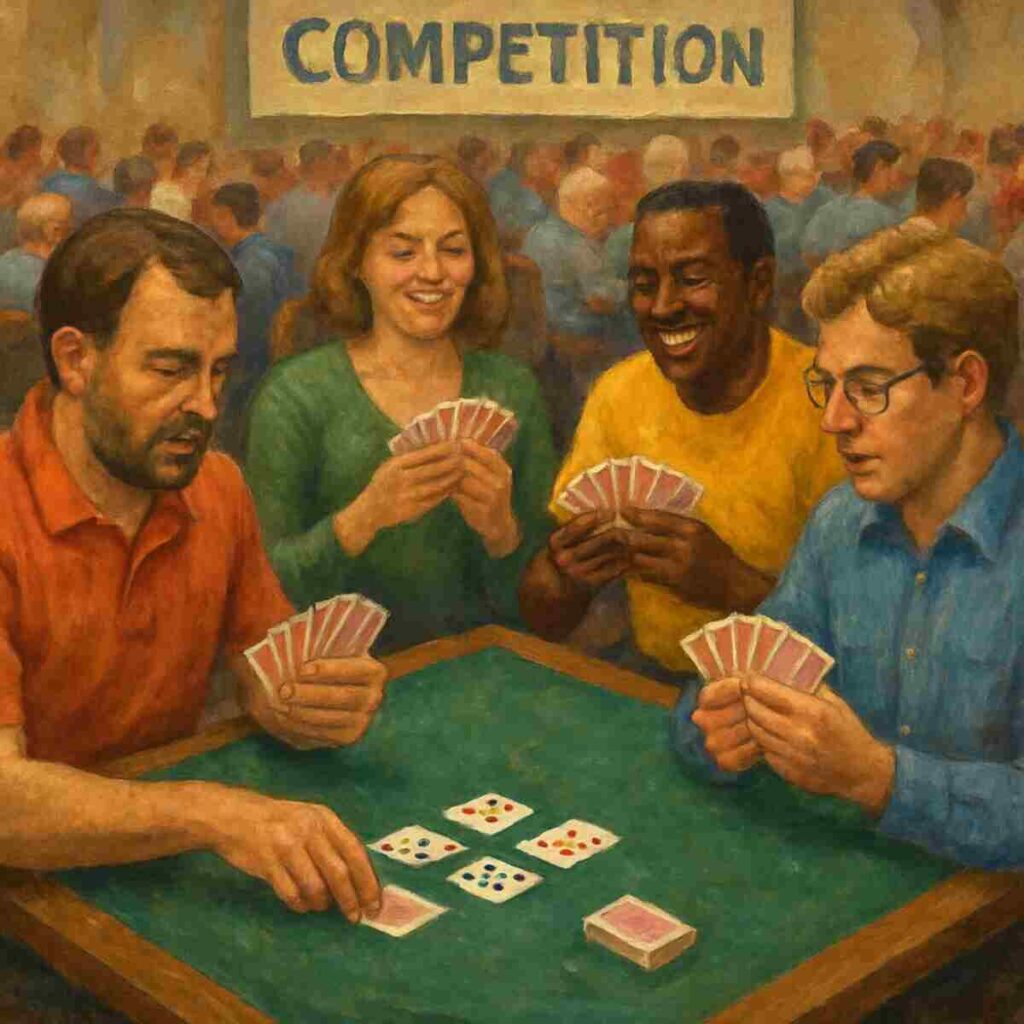
Strategy 1: Plan Ahead
One of the most important strategies in Sevens is planning your moves ahead of time. Take a moment to analyze your hand and decide which cards you can play to either block your opponents or free up your future plays. Effective planning requires not only considering your current position but also anticipating potential future scenarios.
1. Analyzing Your Hand: Begin by assessing the strengths and weaknesses of your hand. Determine which cards can be played immediately and which might serve better as strategic tools later in the game.
2. Predicting Opponent Moves: Try to anticipate your opponents’ potential plays based on the cards they have revealed. This foresight can guide your decisions and help you react proactively to their strategies.
3. Blocking and Freeing Plays: Consider how your moves can block others or free up future plays. Sometimes the best move is one that disrupts your opponent’s strategy or opens up possibilities for your subsequent turns.
Strategy 2: Control the Sevens
Since the game revolves around the sevens, controlling these pivotal cards can give you a strategic advantage. If you have a seven, you can dictate the pace of the game by deciding when to play it. This can help you manage your hand more effectively and potentially block your opponents.
1. Timing Your Sevens Play: Deciding when to play your sevens can influence the flow of the game significantly. Holding onto a seven until the right moment can allow you to control the board and limit your opponents’ options.
2. Strategic Blocking: Use your sevens to strategically block opponents from playing certain cards. By controlling the progression of the game, you can guide it in a direction that benefits your hand.
3. Managing Hand Balance: Playing a seven can help balance your hand by freeing up additional cards for future plays. Maintaining a balanced hand is crucial for sustaining strategic flexibility throughout the game.
Strategy 3: Watch Your Opponents
Keeping an eye on what your opponents are doing is crucial. Pay attention to the cards they play and try to predict their next moves. This can help you make strategic decisions about which cards to play or hold onto.
1. Observing Card Patterns: Notice patterns in your opponents’ card plays. Certain sequences may reveal their strategic intentions or suggest which cards they have yet to play.
2. Adapting to Opponent Strategies: Be flexible and ready to adapt your strategy based on your opponents’ actions. This adaptability can prevent you from being caught off guard and help you maintain a competitive edge.
3. Predictive Counterplays: Use your observations to anticipate and counter your opponents’ strategies. By predicting their moves, you can preemptively block their plays or position yourself advantageously.
Strategy 4: Play High Cards Early
Whenever possible, try to play your high cards early in the game. This reduces the chances of getting stuck with them later when it might be difficult to play them. Remember, the goal is to be the first one out of cards!
1. High Cards as Liabilities: High cards can become liabilities if held onto for too long. Playing them early minimizes the risk of being unable to play them in later rounds.
2. Creating Opportunities: Playing high cards early can create opportunities for your lower cards. By clearing these potential obstacles, you open up more pathways for your remaining cards.
3. Maintaining Momentum: Early high card plays can establish momentum in your favor, allowing you to dictate the pace of the game and keep your opponents reacting to your moves.
Common Mistakes to Avoid
Mistake 1: Holding Onto Sevens Too Long
While it’s good to have control over the sevens, holding onto them for too long can backfire. You might miss the opportunity to play other cards, which can leave you with a crowded hand.
1. Balancing Control and Flexibility: It’s important to balance the control offered by holding sevens with the flexibility of playing other cards. Holding sevens too long can limit your options and clutter your hand.
2. Recognizing Play Opportunities: Be vigilant in recognizing opportunities to play your sevens. Missing these opportunities can lead to strategic disadvantages and missed chances to influence the game.
3. Timing Your Moves: Develop a sense of timing for when to release your sevens. This requires assessing the current game state and anticipating upcoming moves from your opponents.
Mistake 2: Ignoring Opponents’ Moves
Sometimes players get so focused on their own cards that they forget to pay attention to their opponents. Always keep track of what others are doing to adjust your strategy accordingly.
1. Staying Alert: Maintain constant vigilance over your opponents’ actions. Ignoring their moves can lead to missed opportunities to counter their strategies or capitalize on their weaknesses.
2. Adapting Strategies: Be ready to adjust your strategy based on the evolving dynamics of the game. Flexibility is key to maintaining an advantage over less attentive opponents.
3. Exploiting Mistakes: Watch for mistakes or strategic errors made by opponents. These can be opportunities to gain an edge or disrupt their plans, turning their errors into your advantage.
Mistake 3: Playing Without a Plan
It’s tempting to play any card that fits the sequence, but without a strategic plan, you might find yourself in a tight spot. Always think a few moves ahead.
1. Strategic Card Play: Avoid the temptation to play cards impulsively. Strategic card play involves thinking several moves ahead and considering the broader implications of each play.
2. Anticipating Outcomes: Consider the potential outcomes of each move before playing a card. Anticipating how a play will affect the game can help you make informed decisions that benefit your overall strategy.
3. Building a Cohesive Strategy: Develop a cohesive strategy that guides your card plays. A well-thought-out strategy can provide direction and purpose to your game, reducing the likelihood of becoming stuck.
Making the Game More Fun
Sevens is a game of strategy, but it’s also about having fun. Here are some ideas to spice up your Sevens game night:
- Set a Theme: Have a themed Sevens night where everyone dresses up as their favorite card character. Themes add a creative twist to the game, making it more engaging and memorable.
- Add House Rules: Introduce some fun house rules to mix things up, like requiring players to draw a card if they take too long on their turn. House rules can add variety and keep the game fresh for seasoned players.
- Tournament Style: Organize a Sevens tournament with a leaderboard and prizes for the winners. Tournaments add a competitive edge and bring a sense of achievement to your game nights.
Wrapping It Up
Sevens is a delightful card game that’s perfect for players of all ages. With its simple rules and strategic depth, it’s no wonder this game has been a family favorite for generations. By mastering these strategies and avoiding common pitfalls, you’re well on your way to becoming a Sevens pro. So gather your friends or family, shuffle that deck, and may the best strategist win!
Happy playing, and remember, practice makes perfect. The more you play, the better you’ll get. Enjoy the game, and who knows, you might just become the reigning Sevens champion in your circle!