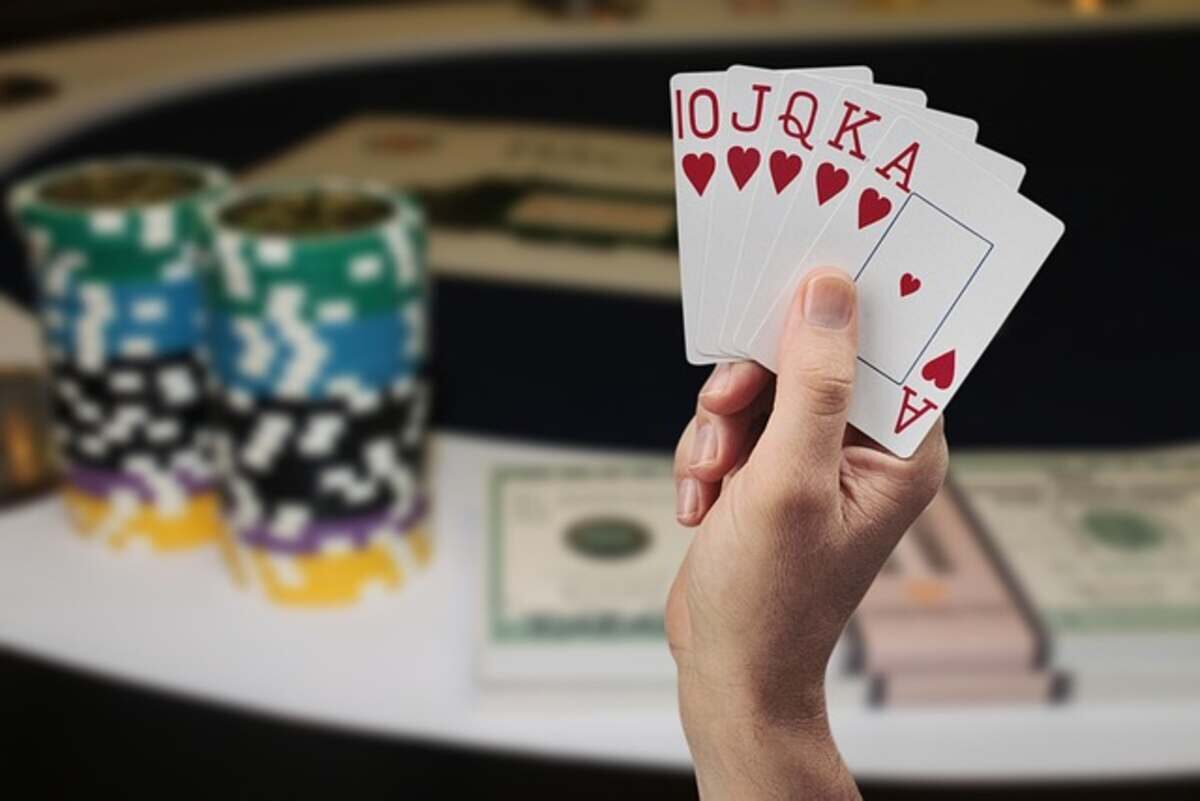
Hey there, card game enthusiasts! If you’re looking for a fun, easy-to-learn game that’s perfect for a casual get-together, you’ve come to the right place. Let’s dive into the world of the Garbage card game, a simple yet entertaining game that you can enjoy with family and friends. Whether you’re a seasoned card shark or a complete newbie, you’ll find Garbage to be a delightful addition to your game night repertoire. Ready to learn the ropes? Let’s get started! To know more, check out REX88
First things first, let’s talk about what Garbage is. Garbage, also known as Trash, is a classic card game that’s perfect for players of all ages. The objective? Be the first to arrange your cards in a specific sequence and clear your hand. It’s a game of luck and a bit of strategy, making it both exciting and unpredictable.
Garbage is a game that has been enjoyed by families and friends for generations. Its origins are somewhat mysterious, but it is believed to have evolved from simple matching games. Over time, it became popular due to its simplicity and the minimal equipment required—just a standard deck of cards.
The name “Garbage” might seem unusual for a card game, but it perfectly captures the essence of the game. The term refers to the cards that you cannot use in your sequence, which are discarded, much like garbage. This element adds a layer of excitement, as players must manage these unwanted cards strategically.
One of the reasons Garbage has stood the test of time is its universal appeal. From children to grandparents, players of all ages can grasp the rules quickly. This makes it an ideal choice for family gatherings, where players of different generations can compete on equal footing.
Before you jump into the action, you need to set up the game. Here’s how:
- Number of Players: Garbage can be played by two or more players. The more, the merrier! This flexibility makes it a perfect choice for both small and large groups, accommodating any number of participants.
- Deck of Cards: You’ll need a standard 52-card deck. If you have more than four players, consider using two decks. This ensures that there are enough cards for everyone, preventing any player from feeling left out.
- Dealer: Choose someone to be the dealer. They’ll shuffle the deck and deal cards to each player. The dealer role can rotate each round, giving everyone a chance to shuffle and deal.
- Each player receives ten cards. This initial hand forms the basis of your strategy, so handle them with care.
- Arrange your cards face down in two rows of five, without looking at them. This layout is crucial as it mimics the structure of the sequence you need to build.
- Place the remaining deck in the center as the draw pile. This pile is the source of new cards, adding an element of chance to each player’s turn.
For smaller groups, a single deck suffices, but larger groups may benefit from additional decks. Adding decks increases the game’s complexity and length, making it more challenging for experienced players. Conversely, for quick games, limit the number of decks to speed up play.
Selecting a dealer can be as simple or as creative as you like. Some groups choose the youngest player, while others might opt for a random draw. Rotating the dealer ensures that everyone stays engaged, especially during longer game sessions.
Now that you’re all set up, let’s get into the gameplay. Here’s a step-by-step guide on how to play Garbage.
The goal is to be the first player to have cards in a numerical sequence from Ace to 10. The first player to complete this sequence is the winner of that round. This objective keeps the game straightforward, focusing players’ efforts on completing their sequence.
- Draw a Card: On your turn, draw a card from the deck or the discard pile. The choice between these options adds a strategic element, as players must weigh the benefits of drawing blindly versus taking a known card.
- Replace or Discard: If it’s a card you need (Ace to 10), replace the corresponding face-down card in your layout. Place the replaced card face-up in the discard pile. This step allows players to incrementally build their sequence.
- Repeat or End Turn: Continue drawing and replacing until you draw a card you can’t use. Discard it and end your turn. This rule prevents turns from dragging on, maintaining the game’s fast pace.
- Jokers and Wild Cards: If you’re playing with Jokers, treat them as wild cards. They can replace any number from Ace to 10. Wild cards introduce an element of unpredictability, as they can be used to complete sequences quickly.
The first player to fill all their slots with a sequence from Ace to 10 wins the round. In the next round, they play with one less card, gradually decreasing until one card remains. This mechanic adds a progressive difficulty, challenging players to adapt their strategies with each round.
- Kings and Queens: These cards are “Garbage” and can’t be used in your sequence. Discard them immediately. This rule adds an extra layer of decision-making, as players must decide when to discard these cards.
- Jacks: Some people play with Jacks as a “Skip” card, allowing you to skip your turn or another player’s turn. This variation can alter the game’s dynamics, creating opportunities for strategic play.
While Garbage is largely a game of chance, a bit of strategy can give you an edge. Here are some tips:
Keep an eye on what your opponents are discarding. It might give you a clue about what cards they’re holding. By observing their moves, you can anticipate their needs and adjust your strategy accordingly.
If using wildcards, save them for when you really need them, like when you’re close to completing your sequence. Holding onto wilds until the opportune moment can be the difference between winning and losing.
Think about which cards you need and prioritize drawing those from the discard pile. This foresight allows you to build your sequence more efficiently, reducing the number of turns it takes to win.
Every player has a unique style, and adapting to these differences can give you an advantage. Observe how others play, and modify your approach to counter their strategies effectively.
Garbage is a versatile game with a few variations to keep things interesting:
Use multiple decks for larger groups or to make the game more challenging. The increased number of cards adds complexity, requiring players to think more critically about their choices.
Designate other cards as wilds, like Jacks or Queens. This variation changes the dynamic of the game, offering new possibilities for sequence building.
Instead of Ace to 10, play 10 to Ace for a fun twist. This variation challenges players to think in reverse, offering a fresh take on the classic game.
And there you have it! The Garbage card game is an easy-to-learn, fun-to-play game that’s perfect for all ages. Whether you’re looking to pass the time or add a new game to your rotation, Garbage is sure to entertain. So grab a deck of cards, gather your friends and family, and enjoy a night of laughter and friendly competition. Have fun playing!
Remember, the best way to get better is to keep playing and experimenting with different strategies. Practice allows you to refine your skills and develop new tactics, increasing your chances of winning.
Consider organizing regular game nights to build a community of Garbage enthusiasts. Sharing tips and experiences with fellow players can enhance your enjoyment and understanding of the game.
Ultimately, Garbage is about having fun. Embrace the unpredictable nature of the game, and enjoy the camaraderie it fosters. Who knows? You might just become a Garbage card game champion!
Happy gaming!